

Selling Land to a Developer in New Mexico | What to Expect
Developer offers can look attractive, but they often come with contingencies, engineering work, and a longer timeline. This guide explains when that path works and when direct buyers are simpler.
When Selling Land to a Developer Actually Makes Sense
Selling land to a developer in New Mexico can make sense when the property has a use case beyond simple resale, such as housing, mixed-use development, commercial space, or a tract that fits a larger land acquisition strategy. But the right buyer is not every developer. A real estate developer is usually evaluating the tract through entitlement, approval, site-planning, and market-value questions that ordinary direct buyers may ignore.
That is why landowners looking to sell to a developer need to understand what the buyer is really purchasing. Sometimes it is raw land with future upside. Sometimes it is accessibility, zoning position, or the highest and best use of a lot in a growing corridor. If the file does not support that future use, the developer may still make an offer, but the number and terms can look very different than a seller expects.
How Developers Value Land Differently Than Ordinary Buyers
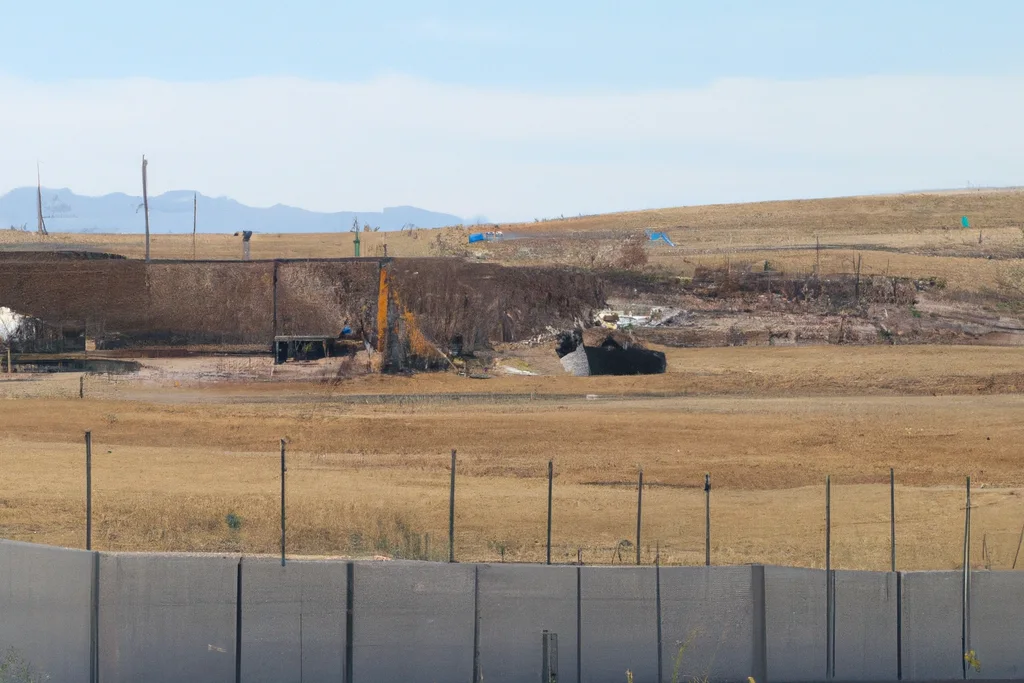
A typical retail buyer might focus on a single homesite or a recreational use. A developer usually looks at the piece through market trends, surrounding properties in your area, infrastructure, and what the type of development could become after due diligence. That is why developers sometimes pay a better price than an ordinary buyer, but only when the property’s value is tied to a real development story.
Developers also price risk more aggressively. If the land needs rezoning, permit work, grading, wetland review, geotechnical testing, or an easement solution, the seller may hear a lower number up front. A developer is not only buying dirt. They are pricing the acquisition together with the time, approval work, and financing needed to transform the site.
What a Developer Usually Reviews First
Most developer conversations begin with a short list: zoning, topography, access, utilities, ground size, surrounding uses, and whether the current market supports the project. If you want to close on a property to a developer, you should expect due diligence questions early. A serious developer will usually review maps, title, flood information, road frontage, and whether there are obvious zoning issues before they ever talk about top dollar.
This is also where landowners and developers often misread each other. The landowner may focus on neighboring sale rumors or a peak-value story from several years ago. The developer is more likely to evaluate the entitlement process, carrying costs, approval path, and whether the property fits their in-house acquisition criteria today.
Why Timing and Market Conditions Matter
The same tract can look very different to a developer depending on economic conditions, financing markets, and absorption in the surrounding area. A site that felt attractive during an aggressive expansion cycle may get a slower response when the real estate market tightens. That does not mean the land lost all value. It means the acquisition math changed.
Landowners who want to maximize your profits should pay attention to current market trends, not just old comp stories. A developer may offer a higher price when demand, permit timing, and the development process all line up. In a slower cycle, the same buyer may ask for more time, more due diligence, or a lower number to account for risk.
How Developer Deals Are Structured
Developer deals often look different from direct-to-owner land sales. Instead of a simple cash offer and quick close, the contract may include an approval period, a permit contingency, staged due diligence, or a longer closing date. The buyer may be attempting to sell your land conceptually to investors or lenders before the final acquisition closes.
That does not automatically make the deal bad. It just means the seller should read the terms carefully. If a developer wants six months of due diligence, approval rights, or a long entitlement window, the seller should understand what they are giving up and what they receive in return. The strongest negotiation is the one where the landowner understands the tradeoff between a higher price and a more complex path to closing.
What Can Increase a Parcel’s Appeal to a Developer
A lot becomes more attractive to a developer when the path to use is clearer. Good accessibility, workable topography, nearby utilities, a favorable zone, and predictable approval conditions all increase the land's appeal. A vacant lot inside a growth corridor may attract one kind of real estate developer. A larger tract with mixed-use development potential may attract another.
Owners can improve the conversation by assembling usable maps, title records, surveys, and basic site data before they start networking with local developers or consultants. That does not mean you need to do the developer’s entire job. It means a cleaner file helps the buyer evaluate the site faster and gives the seller more control over the conversation.
When a Consultant, Broker, or Land Specialist Helps
Some owners sell directly to a developer. Others work with a consultant, broker, or land specialist who understands commercial real estate and real estate development. That can help when the piece has complicated zoning issues, when there are several potential buyers, or when the landowner wants help navigate the negotiation.
A good advisor does not just send the site to every developer in town. They help the seller identify the likely buyer type, compare acquisition structures, and protect against a deal that ties up the land without real progress. In some cases, that expertise in development helps the owner reach a higher price. In others, it simply avoids a weak contract.
Questions Sellers Should Ask Before Accepting a Developer Offer
Before signing anything, ask what use the buyer has in mind, how long due diligence lasts, whether the contract depends on approval or permit work, what happens if the buyer walks away, and how the purchase price changes if the site does not perform as expected. Those questions matter because the seller is not only choosing a price. The seller is choosing a process.
You should also ask whether the buyer has handled similar properties, whether they are using in-house entitlement staff or outside consultant support, and whether they can actually finance the acquisition after due diligence. A developer offer sounds attractive when it promises a higher price, but the real measure is whether the deal will close on workable terms.
Developer Sale vs Direct Land Buyer
Sometimes the best path really is selling land to developers. Sometimes the ground is better suited to a direct land buyer who wants a quicker closing and fewer contingencies. The difference usually comes down to time, complexity, and the site’s development potential. If the highest and best use truly depends on a future project, a developer may be the right buyer. If the owner wants certainty and speed, a simpler buyer may be more practical.
That is why landowners looking to sell should compare both paths instead of assuming one is always better. The developer route can unlock value, but it usually comes with longer timelines and more due diligence. A direct buyer may not promise the same upside, but the closing can be much more predictable.
Practical Steps for New Mexico Landowners
- Define the property story. Gather maps, zoning details, title information, and any site facts that help a developer evaluate the tract.
- Study the local market. Review market value, market trends, and nearby development activity before you set expectations.
- Qualify the buyer. Confirm whether the developer has experience with similar projects, financing, and a realistic approval path.
- Read the contract structure carefully. Pay attention to due diligence, approval periods, extensions, and any rights that let the buyer walk away.
- Compare alternatives. Weigh the developer route against direct land buyers and other sale paths so you understand the real tradeoff.
Common Questions About Selling to Developers
How much will a developer pay for land?
It depends on zoning, location, project potential, carrying risk, and the approval path. A developer may pay more than an ordinary buyer if the tract clearly supports a profitable project, but they also discount heavily for uncertainty.
Why do developer deals take longer?
Most developer contracts include due diligence, site review, and sometimes approval or permit contingencies. The buyer is evaluating future use, not just present ownership.
Should I talk to a broker before I approach developers?
Sometimes yes. A broker or consultant can help if the lot has real development potential or if you want help comparing multiple buyers and deal structures.
Is a higher developer price always better?
No. A higher number can come with a much longer closing timeline, more contingencies, and more risk that the buyer walks away. Terms matter as much as price.
Where to Go Next
If your property has subdivision or builder potential, compare this guide with Albuquerque, Rio Rancho, and Las Cruces. If speed matters more than entitlement upside, pair it with How to Close on a property Fast in New Mexico.
Sell Your New Mexico Land for Cash
We buy land across New Mexico with no fees, no commissions, and closings in as little as 2 weeks. Start with a free cash offer.
Ready to compare a direct cash offer? We buy land directly from owners for cash with no fees, no commissions, and no listing delays.